Blossoming Through Time: A Stylish Peek Into Farmer’s Fashion
Introduction:
In the world of gardening and farming, the attire we choose to wear has evolved over the years, reflecting not only fashion trends but also advancements in science. As a passionate female gardener and farmer, I find myself drawn to the intriguing history of women’s garden and farm wear and how it has seamlessly blended style with practicality. Join me on a journey through time as we explore the fascinating evolution of garden and farm attire, from hats to gloves, and discover the intersection of fashion and science in the world of horticulture and agriculture.
The Early Years: Practicality Trumps Style
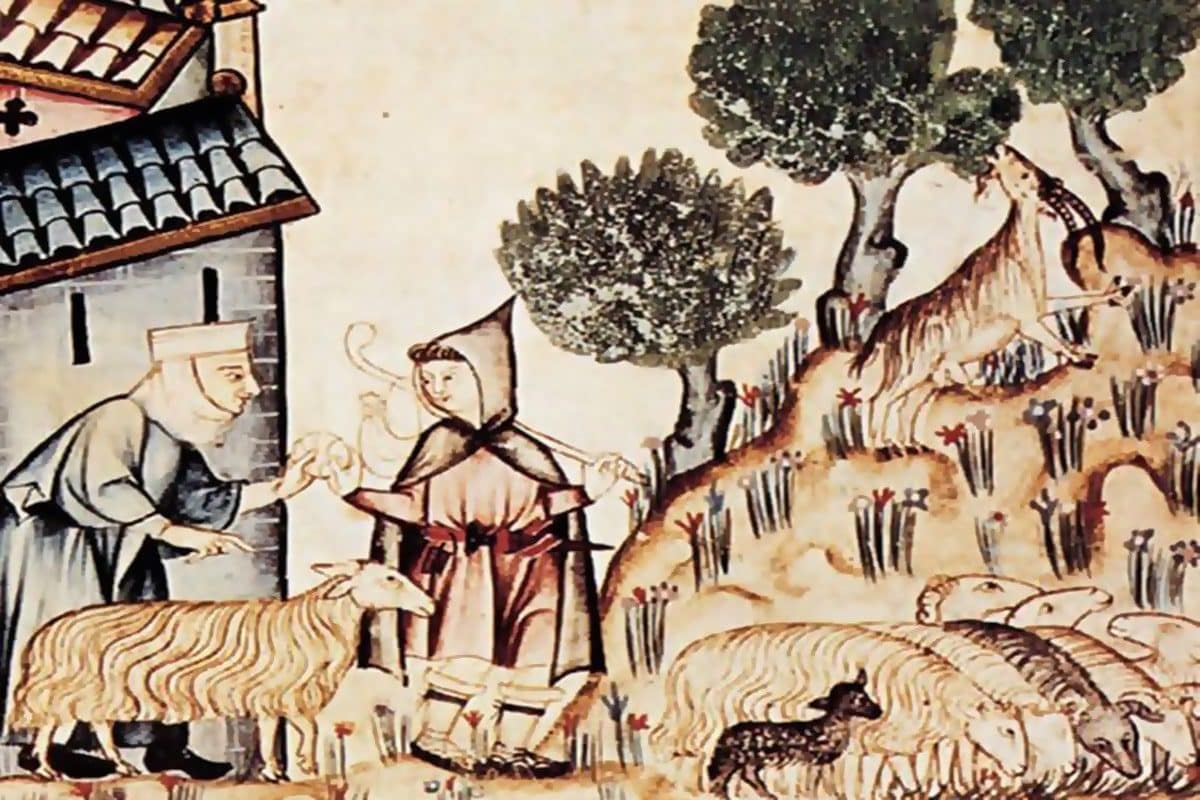
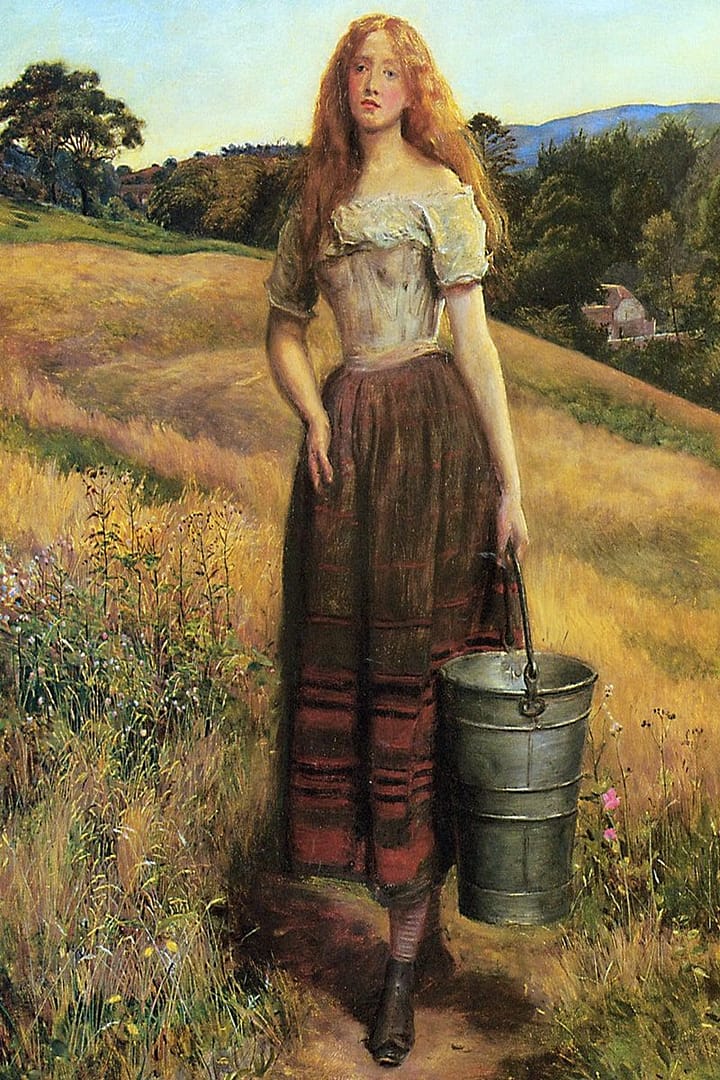
Centuries ago, women tending to their gardens and farms were often clad in simple, ankle-length dresses, reflecting the societal norms of the time. Practicality took precedence over fashion, as these women needed to protect themselves from the elements, dirt, and thorns. A simple bonnet or wide-brimmed hat provided some shade from the sun, but fashion was secondary to the demands of manual labor.
Working in the fields, women required attire that allowed them to move freely and comfortably. The practical nature of their clothing also extended to the fabrics they chose, often opting for durable materials that could withstand the rigors of daily work. Embellishments and decorative elements were rare, as the focus was on functionality rather than aesthetic appeal.
While the attire of women in earlier centuries may have been dictated by practicality, it also reflected the resourcefulness and resilience of those who wore it. These women embraced the demands of their work and adapted their clothing to meet the challenges they faced, exemplifying the strength and determination that characterized their lives.
Victorian Era:
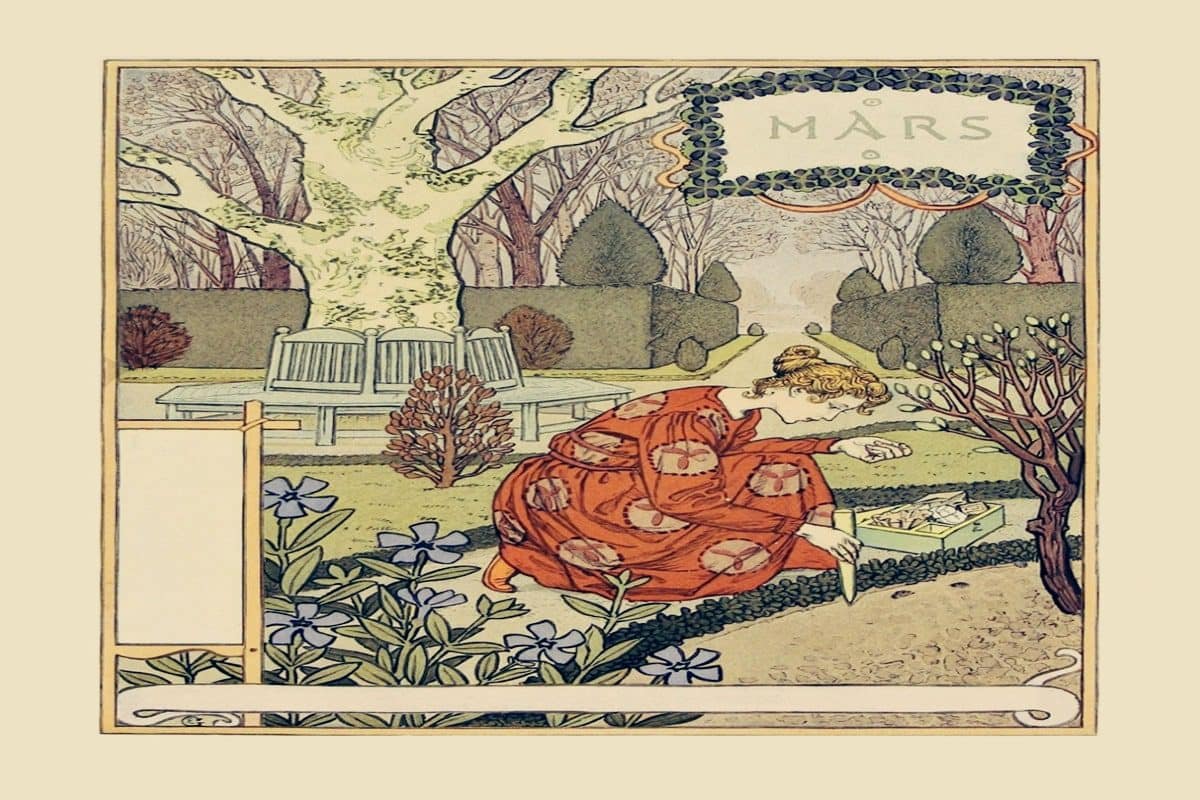
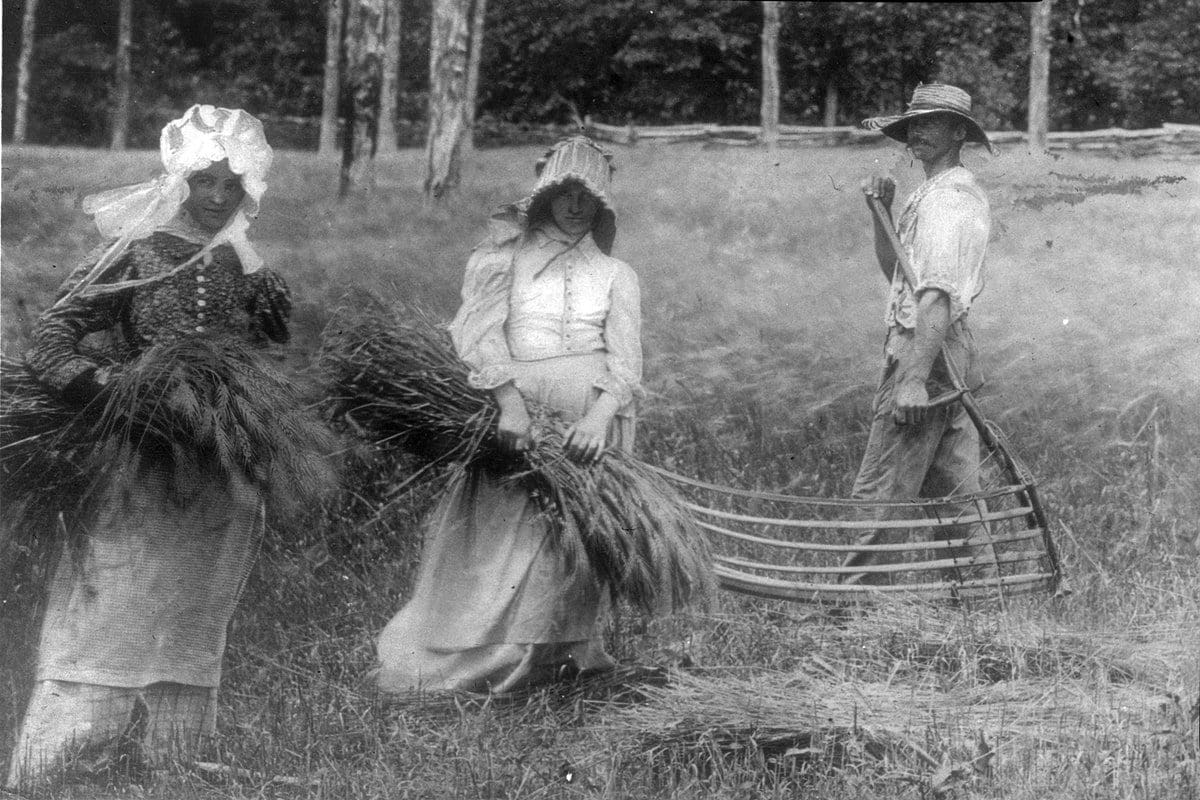
During the Victorian era, fashion assumed a more prominent role in the lives of women. This influence extended beyond the confines of the drawing room to the activities of gardening and farming. Women of the upper class, in particular, sought to infuse elegance into their daily routines, even as they engaged in the laborious tasks of tending to their gardens and working on the farm.
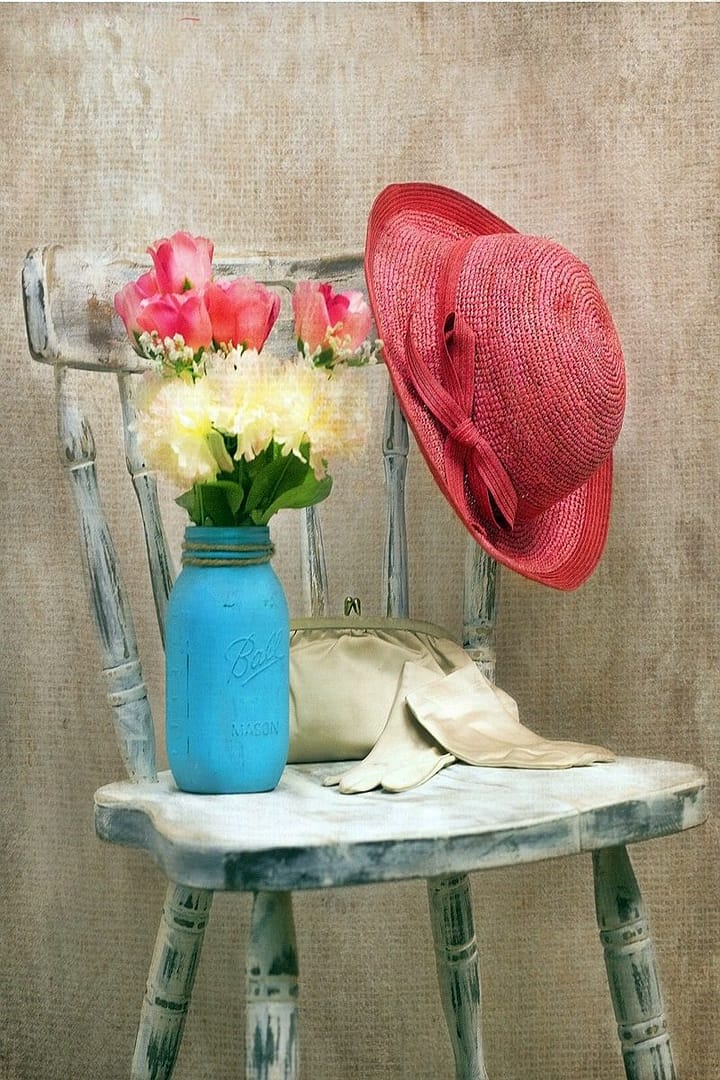
Intricate lace gloves, delicate parasols, and stylish bonnets became essential components of their gardening and farming ensembles. While these garments still served the primary purpose of protection from the elements, they also added a touch of sophistication and refinement to their appearance. This integration of fashion into the practical aspects of their lives exemplified the dedication of Victorian women to maintaining an air of elegance and grace, even in the midst of their agricultural pursuits.
The Roaring Twenties: Liberation in Style
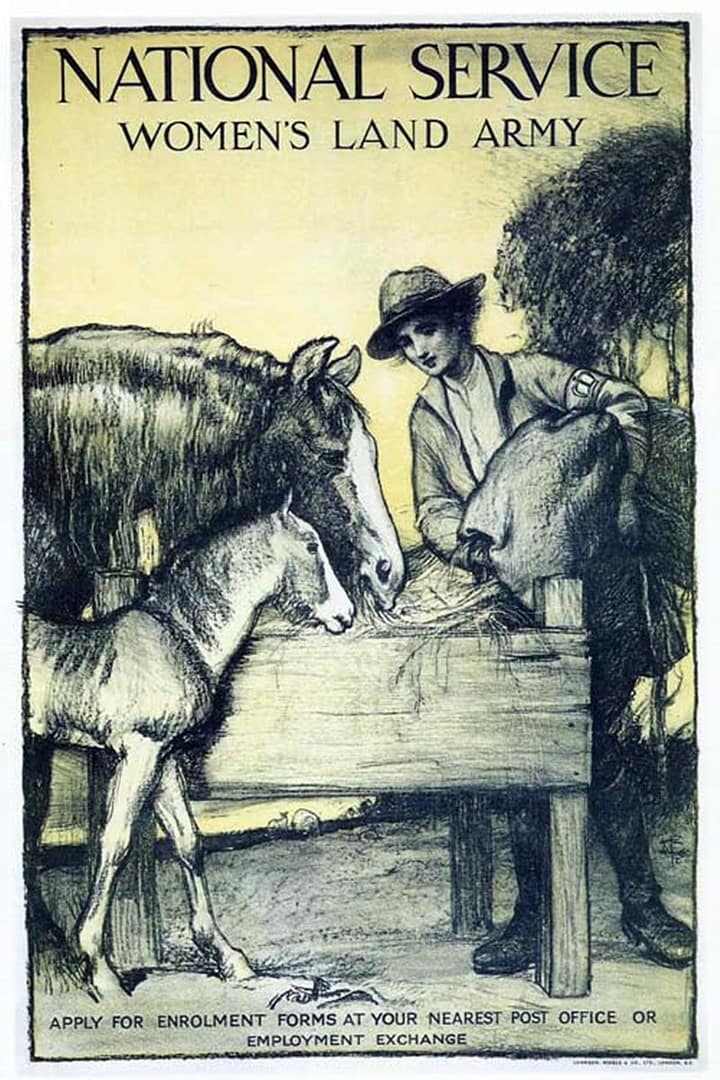
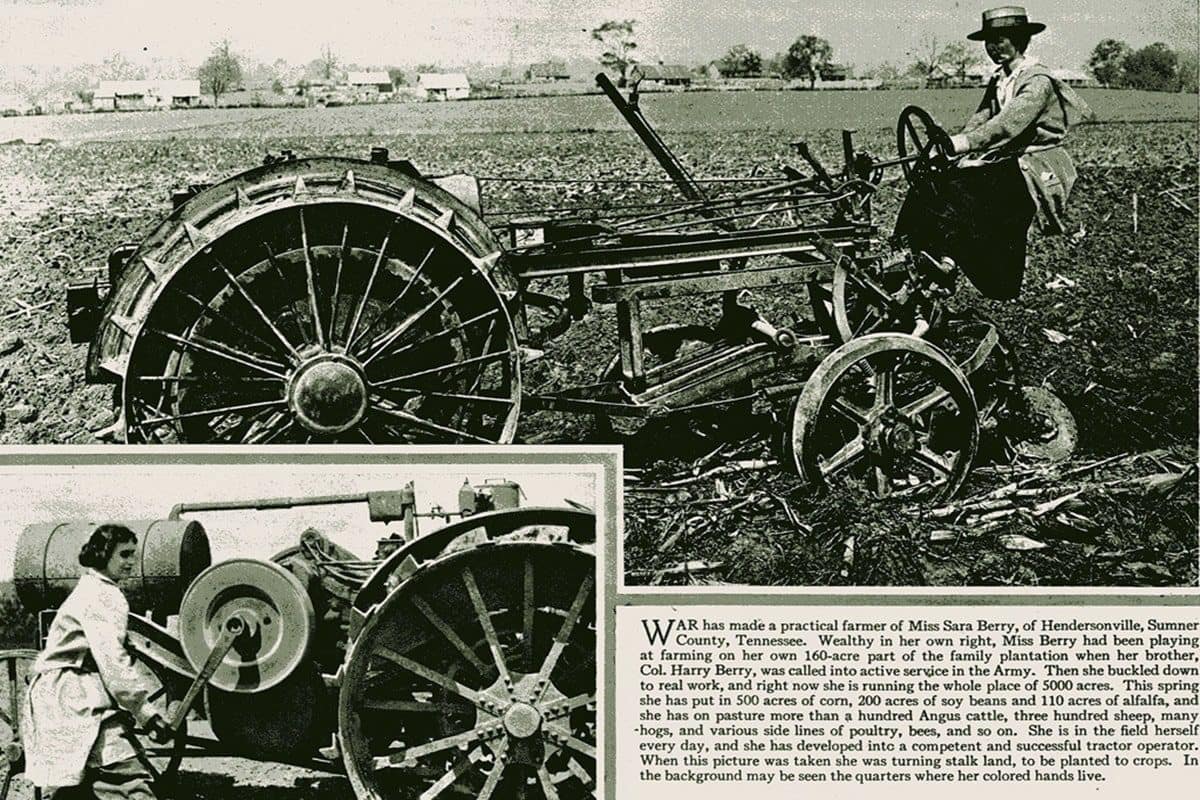
With the onset of the Roaring Twenties, a wave of liberation swept through society, influencing women’s fashion and attitudes toward traditional roles. Garden and farm attire saw a shift towards more practical yet stylish clothing, with knee-length skirts, loose-fitting blouses, and cloche hats becoming popular. As women gained more independence, their gardening and farming attire reflected a blend of functionality and fashion. This period was characterized by a sense of extravagance and rebellion against the norms of the past, as reflected in the iconic flapper dresses and the bold embrace of shorter hair and bold makeup.
The flapper style became synonymous with the spirit of the era, exuding confidence, freedom, and a break from societal constraints. Additionally, it’s important to note that the developments in women’s fashion during the Roaring Twenties were not just aesthetic, but also symbolic of the shifting social dynamics and the evolving role of women in the public sphere. The liberation in style during the Roaring Twenties not only transformed the way women dressed but also served as a visual representation of their growing independence and assertiveness.
Post-World War II: Utility Takes Center Stage
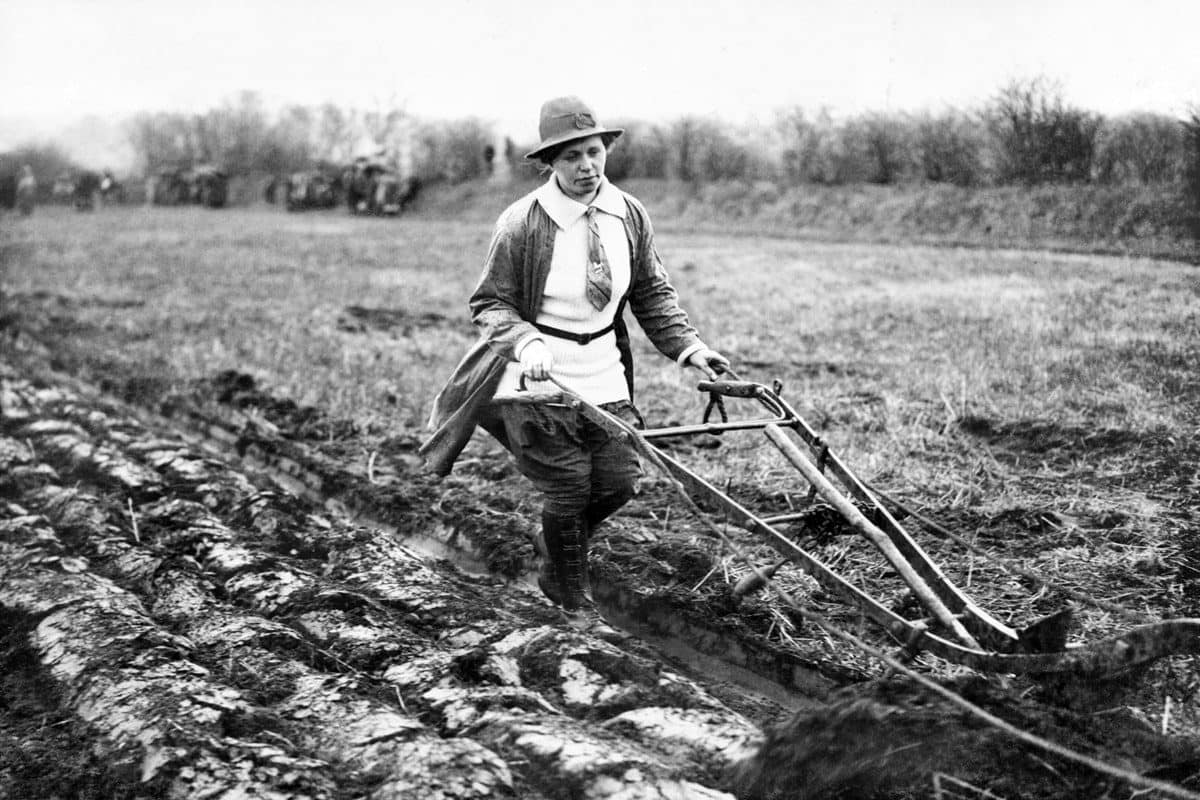
The aftermath of World War II brought about significant changes in societal norms, and women’s roles in the workforce expanded. This shift was reflected in gardening and farming attire, with practicality once again taking center stage. Durable, utilitarian clothing, such as denim jeans and button-up shirts, became staples for women working in their yards and fields. The focus shifted towards comfortable and affordable options that could withstand the rigors of outdoor labor.
This trend was not only a reflection of the practical needs of the time but also a symbol of the changing roles and independence of women. The utility-focused attire represented the adaptability and strength of women as they took on new responsibilities outside of traditional domestic roles. It also signified a departure from the restrictive and impractical fashion of the past, allowing women to move and work freely without being encumbered by cumbersome clothing.
Furthermore, the post-World War II era marked a shift in the perception of labor and its associations. Practical and durable clothing became a symbol of resilience and resourcefulness, embodying the spirit of rebuilding and progress in the aftermath of the war. The symbolism of these utilitarian garments extended beyond their functionality, encapsulating the resilience and determination of individuals in the face of adversity.
As these changes took root, they not only transformed the fashion landscape but also contributed to a broader shift in societal attitudes towards women’s work and independence. The embrace of utilitarian clothing in gardening and farming highlighted the vital contributions of women in sustaining and rebuilding communities in the wake of global conflict.
The post-World War II period witnessed a notable shift in fashion towards utilitarian clothing, particularly for women engaged in gardening and farming. This shift not only reflected practical needs but also symbolized the evolving roles and independence of women, representing resilience, adaptability, and the changing societal attitudes towards women’s work.

The Modern Era: A Fusion of Fashion and Science
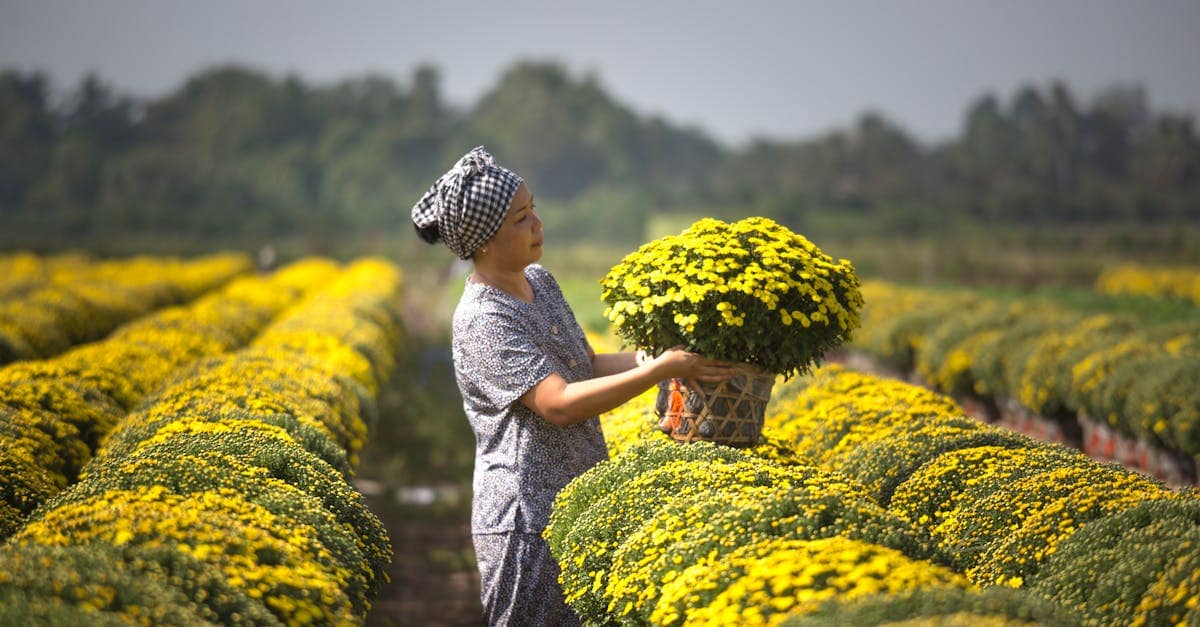
In the 21st century, the evolution of women’s garden and farm attire has reached new heights, seamlessly blending fashion with scientific advancements. As our understanding of the harmful effects of UV rays on the skin has grown, so too has the incorporation of sun-protective fabrics into gardening and farming clothing. Stylish wide-brimmed hats, designed not only to shield from the sun but also to make a fashion statement, have become essential for the modern female gardener and farmer.
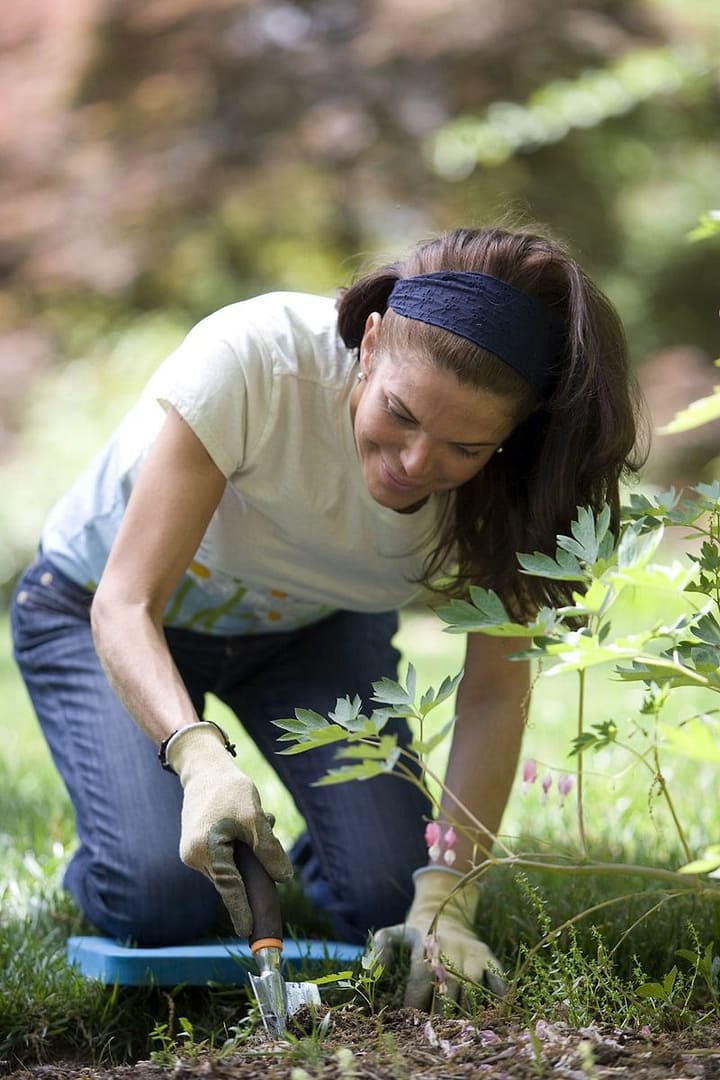
Gloves have also undergone a transformation, with the introduction of materials that provide protection against thorns while allowing for dexterity and breathability. As sustainability gains importance, eco-friendly fabrics have found their way into gardening and farming attire, offering a nod to both fashion and environmental consciousness.
It’s fascinating to see how fashion and science have converged to create attire that not only serves its practical purpose but also contributes to the overall aesthetic appeal and well-being of the wearer. The integration of technological advancements and eco-conscious materials reflects the values of the modern era, where style and functionality go hand in hand to meet the evolving needs of women in agriculture. This seamless fusion of fashion and science not only empowers women in their agricultural pursuits but also highlights the adaptability and innovation present in contemporary attire.
My Final Thoughts:
As a female gardener and farmer, I find inspiration in the rich history of women’s garden and farm attire. From the practicality of the past to the stylish and scientifically advanced clothing of today, our choices in the garden and on the farm reflect the dynamic interplay between fashion and functionality. Whether clad in a vintage-inspired ensemble reminiscent of bygone eras, with a nod to the hardworking women who tilled the soil before us, or embracing the latest eco-friendly innovations, modern female gardeners and farmers proudly cultivate their plots and fields, leaving a stylish legacy that blossoms through time.
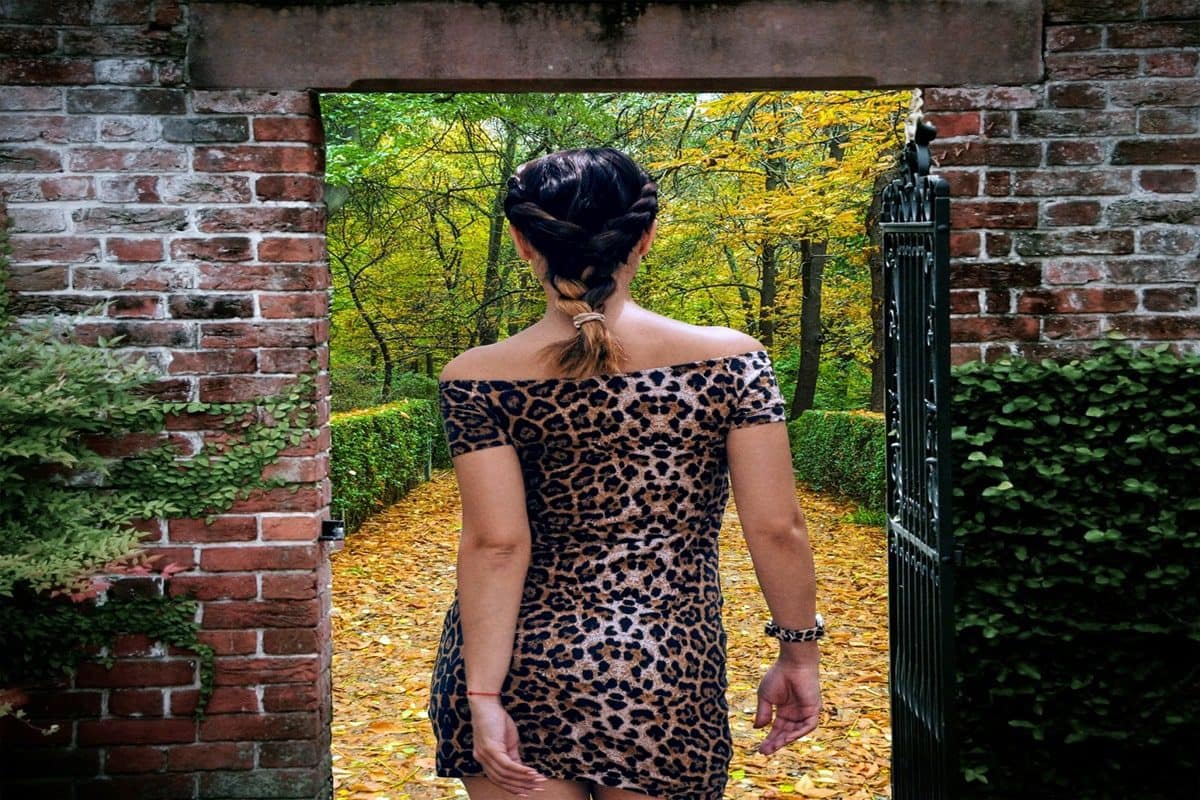
It’s fascinating to observe how the evolution of attire mirrors the evolution of women’s roles in agriculture, from the sturdy and utilitarian garments of yesteryears to the incorporation of sustainable, high-performance fabrics and designs that offer both comfort and protection. With each garment we choose, we carry forward a tradition of strength, resilience, and ingenuity that is as enduring as the earth itself. Even if I choose to wear leopard, it’s a celebration of individuality and the freedom to express personal style within the traditional realm of gardening and farming, showcasing that the spirit of innovation and self-expression knows no bounds, even within the fields and gardens we tend with devotion.