About Us – Our History
Windy Ridge Farm, South Branch Valley WV
Prologue: “This is the Intrepid Tale of the VanMeters, a journey back in time – a distant epoch in the history of Holland and the birth of a young America. It is the uncovering of secrets, the discovery of the gradual emergence of the Van Metre (VanMeter) family, destined to forge paths for future generations.
This body of work and research will concentrate on documenting the family’s departure from the Dutch motherland and the life footprints made in the South Branch Valley, Hardy County, West Virginia, USA.
To grasp the context of the world which made boys men and colonies a nation; we shall commence our expedition around 1250 A.D. Diligently, methodically and tirelessly, exploring records penned from feathered quills and inkwells, medieval civic and religious registers, heirlooms kept as national treasures, official government documents, personal diaries, journals, letters and Bibles; all chronological testaments to the ripples of time.
We will don the armor of our forefathers, take up the heraldic shield whose coat of arms emblazoned the pride of name and nation. We shall feel a sense of honor standing in the shadow of those who earned the right to be listed within the “Ridderedels”(ridderschap) or knighthood rolls of the courageous. We will know the passion of the Crusades, we shall sense the urgency of a growing hunger to hold back the tide of invaders. We shall sing praise in the cathedrals filled with men of European nations.
step back in time
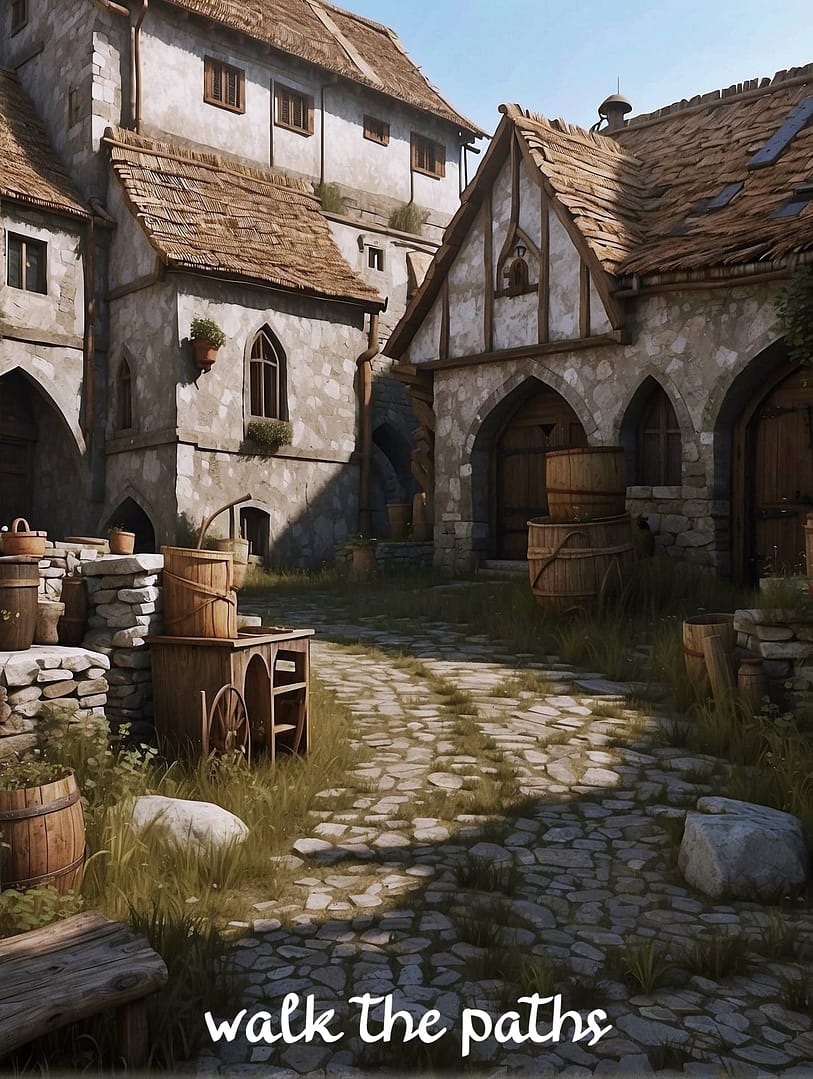

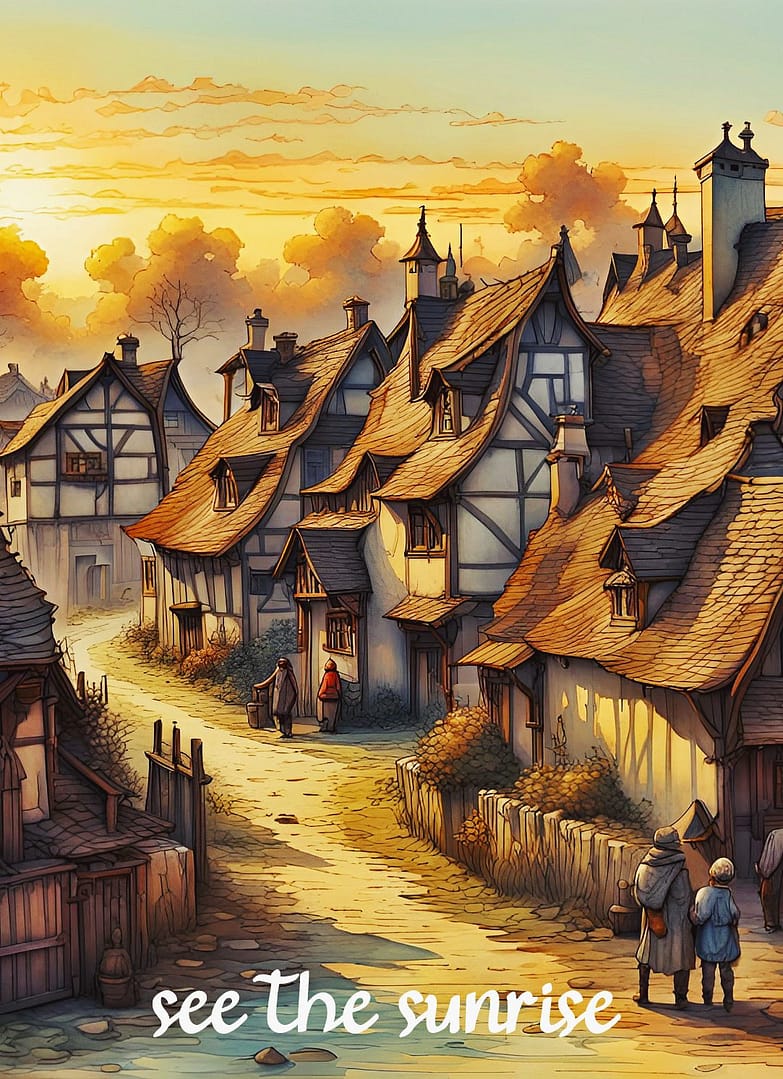
Our hands will hold the parchments of enlightenment that educated peasantry and saved souls of open hearts. We shall tremble in the wake of famine and disease while being awash in the burgeoning beauty of the Renaissance. The year of 1492 will pull back the global veil, as Christopher Columbus walks upon uncharted lands across the sea.
Our world will no longer be contained and restrained. The turbulence of shifting borders, tyrannical royalty and hypocritical zealots would no longer be simply accepted. We will hear the truth whispers within castles, fortresses, churches and homes. We will begin to dream the dreams of possibilities rather than defeatism. Like the generations of men and women who preceded us, we will commemorate the conclusion of the medieval era and celebrate the evolution of the modern age.” [2]
Ancestral Homeland Location and Knighthood:
During the 12th century, the political landscape of the Low Countries, which includes the modern-day Netherlands, Belgium, and Luxembourg, was complex and characterized by a patchwork of feudal territories. The region was not unified under a single political entity, and different areas were often under the control of various feudal lords, bishops, and dukes.
In the 12th century, the Holy Roman Empire had influence in the Low Countries, and several territories were part of the empire. However, it’s important to note that the concept of modern nation-states did not exist during this period, and the political boundaries and control were fluid.
France did have some influence in the region during certain periods, but it did not have consistent control over the entire area. The County of Flanders, for example, was a prosperous and influential region that had close economic ties with France, but it maintained a degree of autonomy.
Overall, the political situation in the Low Countries during the 12th century was characterized by decentralization and the presence of various local rulers rather than being under the direct control of a single entity like France. [86,87
The origin of the place name Meteren can be traced back to the compilation of Ridderschap (the Dutch word for Knighthood) records. These rolls initiated in Holland around 1250 A.D. Initially owned by Otto van Bentheim, the term “Ridderschap Rolls of Holland” refers to the medieval records or rolls associated with the knighthood and chivalry in the historical region of the nation. These rolls were official documents that listed individuals granted the status of knighthood, often detailing their names, titles, and sometimes their heraldic symbols.
days of knights
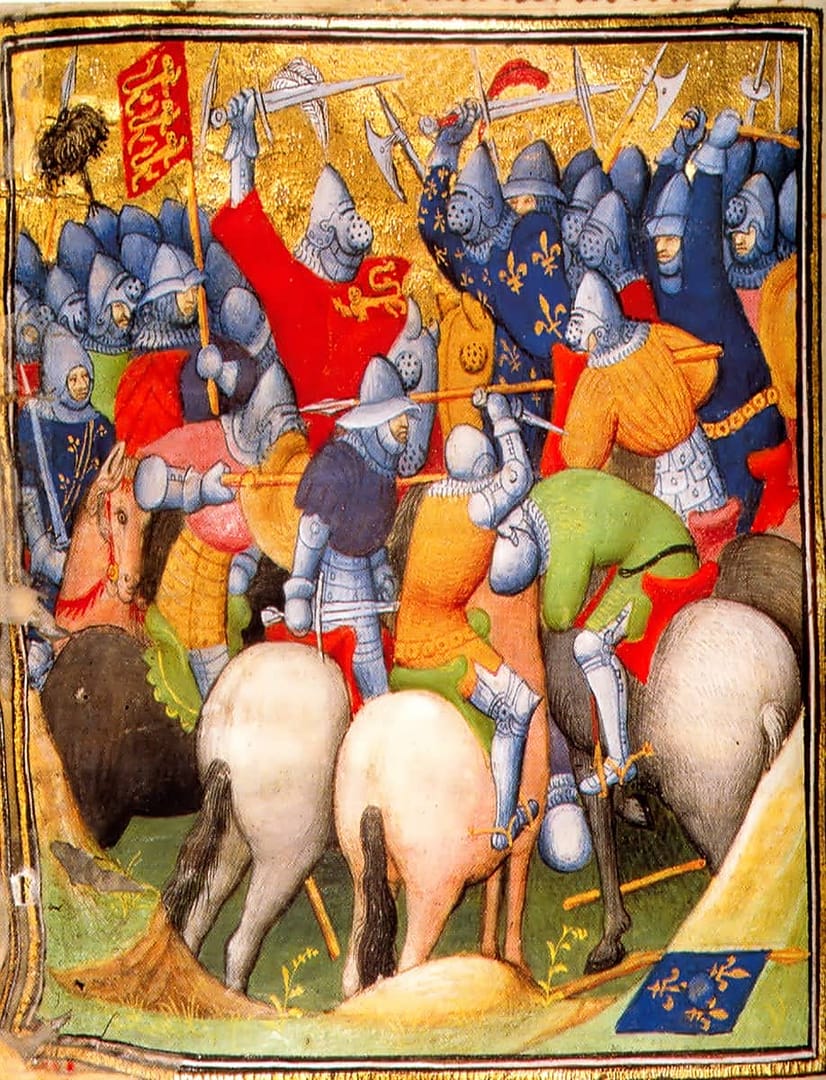
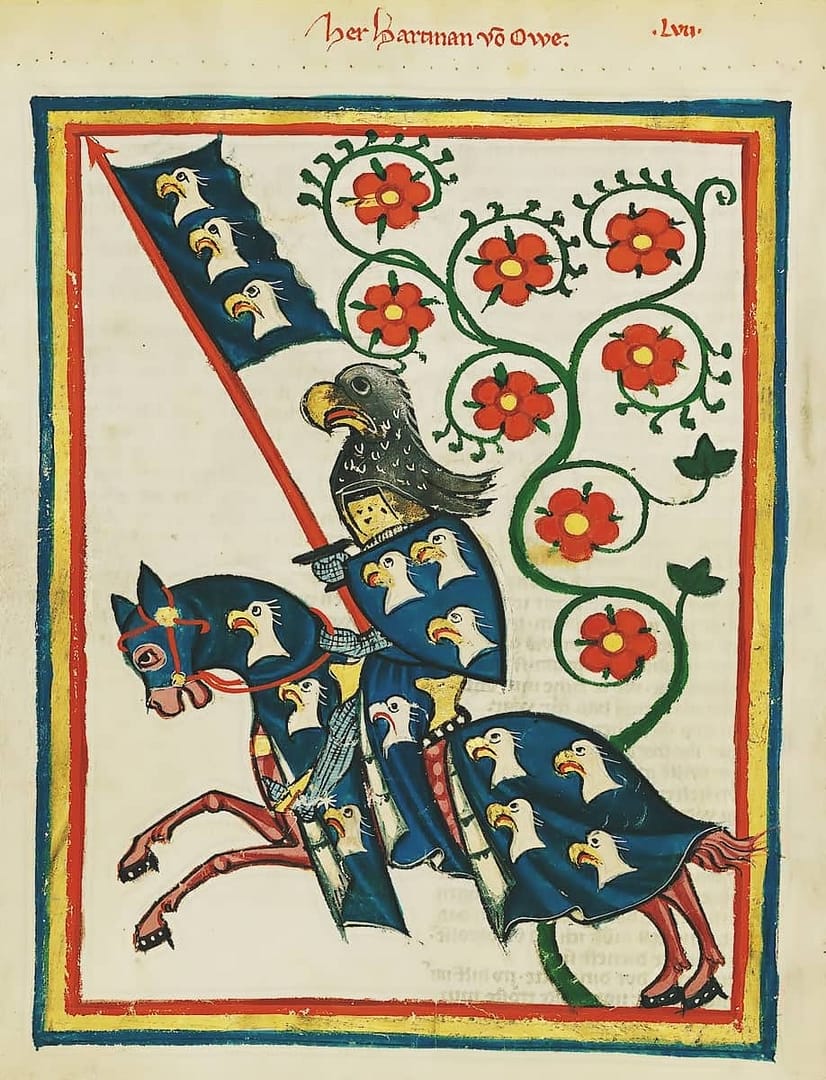
During the medieval period, knighthood was a significant social and military rank and the rolls associated with it served as registers of those who held this status. These rolls were part of the administrative and heraldic systems that helped organize and record the noble class. These rolls provide valuable historical insights into the social structure, land ownership and nobility of the region during the medieval period.
The documented changes in ownership bring forth the emergence of title “The Lord of Meteren,” while also marking the first adoption of the name variant van Meteren.
- 1253 – In a deed from September, Meteren is mentioned as belonging to Masen under the ownership of Otto van Bentheim.
- 1265 – Meteren becomes part of the ancient family and estates of the Cuycks, as stated in a deed.
- 1267 – Otto van Bentheim transfers Malsen to his brother Egbert. Later, Johan II van Bentheim inherits Malsen from his childless Uncle Egbert in 1306, selling it to the Count of Guelders auspices of Holy Roman Empire.
- 1306 – Meteren and Malsen are sold to the Count of Guelders, becoming the sole judiciary of the Tielerwaard. Meteren falls under the rule of Deil and remains so until the revolution 1566-1648.
- 1315 – Otto van Cuyck assumes the title of Lord of Meteren, marking the beginning of the Lordship.
- 1350 – After Otto van Cuyck’s death, Johan van Cuyck, his nephew and son of his elder brother Hendrik van Cuyck, inherits Meteren.
- 1352 – The Lordship of Malsen and Meteren, still united, passes to Wennemar, Otto’s third son, who passes away in 1380.
- 1380 – Wennemar’s son, Jan van Cuyck, takes possession of Malsen and Meteren.
- 1394 – Johanna van Cuyck inherits Meteren and the County of Cuyck after Jan van Cuyck’s death. She becomes Lady of Cuyck and Grave – takes control of the Meteren Manor.
- 1394 – Johanna is married to Willem, the son of the Duke of Mechteld.
- 1400 – After Johanna’s death, Meteren and Cuyck are passed on to her sister Elisabeth.
- 1400 – Elisabeth Van Cuyck marries Jan van Tiel, also known as van Eyll, who becomes the Lord of Meteren and assumes the name Jan van Meteren. He becomes the first van Meteren, and his descendants are the first to carry the name van Cuyck van Meteren.
- 1548 – Johann van Meteren, at Meteren, appears on the knighthood rolls of 1548. Recorded in 1555 “dood” is written after his name ie dead. Thus he served seven years of chivalry. It is this ancestor who, along with Otto van Haeften (heirs of Johanna van Cuick van Meteren) had a rather famous suit against the Count van Buuren during the year 1546 and 1547 regarding massive flooding at Waal.
Mention of Meteren is found in 1265 for charter as “Curtis de Meteren.” Additionally, records from 1267 indicate its association with Malsen when the village was referred to as Geldermalsen. The municipality’s history is intricately connected to the noble Van Cuyck van Meteren family, who held ownership of Heerlijkheid Meteren from around 1450 to 1694. Originating from the Betuwe, specifically the shire Teisterbant, the family initially possessed lands near Geldermalsen and Meteren. During the 13th century, Teisterbant underwent division among Cuijk, Gelre, and the establishment of Utrecht. [5,15,20,22,32,45,48,49,69,70,71]
In Meteren, Holland there was once a castle manor known as Huis Meteren (translated means House Meteren. Initially owned by the Van Cuyck (Cuick)(Kwck) family, the castle later came under the ownership of the Van Meteren family. Historical records trace back to at least September 1253, as evidenced by a deed. It is plausible that the betrothal of Jan van Tiel van Meteren (b. 1360 – d. 1440) to Elisabeth Jonkvrouw van Cuijck (b. 1365 – d. 1407) in 1390, was the catalyst that changed ownership holdings (with females transferring ownership of their holdings to their husbands upon marriage).
In respect to the geographical home of the original Van Meter family ancestors, we shall begin this page with those who dwelled in The Netherlands, Gelderland Province. Meteren (Métere) is a village in the municipality of West Betuwe in the Dutch province of Gelderland in the streek (region) of Tielerwaard. This region is an administrative area in the Netherlands that is demarcated on grounds of population cohesion, issues regarding matters such as religion, culture or landscape. This means that a landstreek is not bound by provincial or municipal boundaries.
This mansion graced a picturesque park adorned with majestic trees, some of remarkable height and size. Reconstructed in 1768-69, it eventually reached the end of its era, being sold in December 1906 and subsequently demolished shortly thereafter. The venerable trees were auctioned, with prices reaching noteworthy amounts – one, in particular, fetched 154 florins, while others sold for sums ranging from $40 to $60 in American equivalent. A correspondent lamented the loss, stating, “All is gone! All except the financial obligations tied to the Heerlykheid, including a substantial annual payment of 200 florins toward the preacher’s salary at Meteren. ‘Tis a pity! Sic transit gloria mundi!”
The documented description of the family coat of arms
“Looking at our Dutch family’s genealogy spanning the years 1492 to 1692, we see a period marked by significant historical events, cultural transformations; marked by the migration of individuals seeking new opportunities. This upheaval unfolded against the backdrop of the Dutch Golden Age, encompassing the rise of a prosperous merchant class, religious reformation and the eventual venture of this family to the New World – Colonial America (New Amsterdam).
I. The Dutch Golden Age (1492-1648): A. Economic Prosperity: The family experiences an economic boom that characterized the Dutch Republic during the 17th century, highlighting the family’s involvement in trade, shipping and commerce. B. Cultural Flourishing: The cultural renaissance that marked the Dutch Golden Age, including advancements in art, science and philosophy, influenced the family’s values and aspirations. C. Religious Dynamics: The religious landscape in the Netherlands during this period, particularly the impact of the Protestant Reformation and the rise of Calvinism shaped the family’s religious identity.
II. The Thirty Years’ War (1618-1648): The reality of a new life was no longer a pipe dream 1620, Sept. 6, the Mayflower set sail. Of the 102 “separatists” on board the Mayflower the majority of the original pilgrims came from Leiden. The 17th century Leiden was a middle-sized Dutch town and booming. Second only to Hollands, Amsterdam experiences gathered during the turbulent years of the Thirty Years’ War (massive political and religious conflicts in Europe) influenced their decision to seek a new life in the Americas.
III. The Dutch Migration to Colonial America (1624-1692): A. Establishment of New Netherland: The family’s involvement and/or support of the Dutch West India Company’s efforts to establish New Netherland, exploring the VanMeters’ roles in trade, governance and community building. B. Life in the New World: Garner insights into the challenges and opportunities faced by the family as they adapted to the unique environment of Colonial America, considering factors such as interactions with indigenous peoples, economic pursuits and the development of familial and community ties. C. Legacy and Impact: We will reflect on the lasting legacy of the Dutch VanMeter family in shaping the cultural, economic and social landscape of Colonial America, considering the contributions of subsequent generations.
In tracing the genealogy from the late 15th to the late 17th century, we aim to illuminate the woven fabric of personal stories with broader historical contexts. By exploring the journey of our forefathers from the Dutch Golden Age to Colonial America, we hope to gain (and share) a deeper understanding of the forces that shaped their identity. Clearly, they created a lasting impact on the evolving tapestry of American history.”[2]
Surname Variants: The Van Meter name has its origins in the Dutch “Van Meteren” (pronounced “Van May-ter-en“), signifying “from the manor or village of Meteren.” Upon reaching America, the name underwent a transformation, being abbreviated and or New Amsterdam(ized) to Van Meter. Some individuals adopted this phonetic spelling, while others opted for variations such as Van Matre, Van Mater, Van Metre, Van Meeteren, van Maitre, van Metere and several more varieties – whether as one or two words. Despite the different spellings, all are interconnected. And the Dutch “meeteren” “meteren” “metre” all translate to aspects of the word measure. Thus “Van Meteren” translates to; of meteren. Meteren is a village within the Dutch province of Gelderland. [4,6,18,27,34,79,80,81]
It should be noted that genealogy shows that some male lords of the Van Meteren line began to be called Cuyck van Meteren. Whether this was reference the line of power, succession, marriage or otherwise, has not to date been clarified. The prominence of the Van Meterens is highlighted by numerous references in Holland, Netherlands attachments to knighthood lists, church memorandums and historical business documents, showcasing their standing as a prominent, influential, and affluent Dutch family. The last family tie of the castle occurred when Kolonel (Colonel) Jacob van Cuyck van Meteren died childless in 1694. [11,12,24,30,32,33]
Early Presence in America: The mention that Jan Joosten was appointed to serve on a committee in 1661 suggests that he had likely been in America for some time before that date. His involvement in local initiatives such as supervising the enclosing of a new village indicates an established presence and a degree of integration into the community.
Committee Appointment: The fact that Jan Joosten was appointed to a committee alongside Albert Heymanse Roose and Jan Gerritsen indicates that he was trusted and respected within the community. Committees in colonial America were often formed to address specific tasks or issues, and individuals appointed to them were expected to contribute their expertise or leadership.
First and Second Generations in the Colonies: In 1662, Jan Joosten Van Meteren (b. 1630 – d. 1706) and his family arrived at New Amsterdam, New York, a growing city of 10,000 people. Jan Joosten‘s family included his wife, Maycke Hendricks, (Hendrickson or Maijke Hendricx or Maijken or Maeyken or Maaike Hendrikse) (she was married previously to Eillam Gijsbertsen Crom (Willem Crom (Krom) or William Crom) and five children, ages 2½ , 6, 9, 12 and 15 years. The family were Dutch Protestants.
Among them, three were from Maycke’s first husband, while the other two were Joosten‘s own children, Joost Jansen and Gysbert Janse. Jan Joosten was from the streek of Tielerwaard (different transcriptions of the passenger list use different spellings for the Thierlewoodt, Tielerwaard and Tiederwelt ). The industrious family would not linger in the young colonial metropolis.
Five other families were on board, with one family lacking a father. Including the Van Meteren children, there were seventeen young individuals under the age of eighteen. Among the passengers, at least two were identified as farm-hands, with others having occupations such as a mason, two carpenters, and a baker. Regrettably, the disclosed information about the passengers’ occupations is limited, and Jan Joosten Van Meteren‘s occupation remains unspecified.
Departing Aug. 31, 1662 from the Netherlands the recorded arrival of our lineage occurred on Nov. 14, 1662, New Amsterdam – substantiated by archival records containing ships’ passenger lists from that period. According to the records, the vessel’s accurate name is D’Vos, (although often stated as Vox, DeVox, DeVos or The Fox). Captain Jacob Jansz Hüys (Jacob Jansz Huys) helmed the ship. Apart from the Van Meteren family, the ship accommodated a total of at least forty-eight individuals, which, by contemporary standards, would be considered a small vessel. Passengers were predominantly adults hailing from France, the Netherlands, or regions that now constitute Germany.
The Van Meters’ First Footprints in America: Jan Joosten had a role in the development and organization of the new village of Nieuw Dorp 1661 (Dutch for New Village) town name later changed to Hurley). This settlement in the Dutch colony of New Netherland, would later became part of colonial America. The name change likely occurred after the English took control of the region in 1664. The exact date of the name change may not be well-documented, but it would have occurred during the period when the English exerted influence over the former Dutch colonies in North America. In the tumultuous tapestry of Jan Joosten’s life, he navigated the choppy currents of multiple nations’ conflicts. Each triumph or defeat on the global stage reverberated through the very fabric of his existence, shaping every facet of his remarkable journey. In a world where the fates of nations intertwined with personal destinies, Jan Joosten stood as a witness to the ever-shifting winds of history.
Rather than establishing themselves in New Amsterdam, the Van Meteren family continued their journey up the Hudson River, that same year, eventually settling in or around the village of Wildwyck (Wiltwick or Wyltwik) in Kingston. Historical court records reveal that they, along with their possessions, were transported up the river in a yacht owned by Governor-General Petrus or Pieter Stuyvesant (was a Dutch colonial administrator who served as the last Dutch Director-General Governorship of New Netherland colony in North America). Notably, Jan Joosten later faced a successful lawsuit from Stuyvesant for the unpaid fare of his family.
Enclosing of Nieuw Dorp (Hurley): The task of “superintending the enclosing” of the new village suggests that the community was involved in some form of fortification or establishment of boundaries for the village. This could be related to the practical considerations of protecting the settlement or organizing its physical layout.
Geographical Context: The reference to Nieuw Dorp (Hurley) being located in the present county of Ulster, New York, places Jan Joosten‘s activities within a documented geographical area relative to moving his family to this vicinity the following year.
This location is now identified as the town of Kingston in Ulster County, New York. Roughly a mile from Wildwyck, another settlement called Nieuw Dorp, later known as Hurley. Both communities were fortified with tall wooden palisades or stockades, situated at the fringes of the Catskill Mountains. At that time, this area was a densely wooded wilderness, inhabited solely by wild animals and Native American tribes, some of which were unfriendly. Additionally, the vicinity was home to several Huguenot (French Protestant) or Walloon families. The family established their residence in a region situated on the western bank of the Hudson River, nestled at the foothills of the Catskill Mountains. As time passed, Jan Joosten acquired land grants in the vicinity of what is now Somerville, New Jersey. Ultimately, he became the proprietor of 1,835 acres, establishing it as the familial abode for Jan Joosten, his sons, and subsequent generations.
In 1667 he was elected an elder in the Dutch Reformed Church in Wiltwyck and became more and more prominent in civil and religious affairs. His house was a popular place for baptisms. In 1673 he was elected one of the four magistrates of Hurley and Marbletown. Beginning in 1689 he began to accumulate land grants in the Province of East Jersey on the South Branch of the Raritan River in the area of the present Somerville, New Jersey in Somerset County. Here he owned 1835 acres, the home for a number of years of Joost, his sons and grandsons. Jan Joosten Van Meteren died in New Jersey in 1706.
A year after arriving in America, Jan Joosten’s son, Joost Jansen, had an adventure that shaped the rest of his life. On 7 June 1663, while the men were working in the fields, Indians entered several pioneer settlements and began killing and capturing their unarmed victims; the Minnisink Indians launched an attack on the Hudson settlements, devastating the villages of Hurley and Kingston. During this raid, they seized captives, including the wife and two children of Joosten. Regrettably, Captain Martin Kreiger‘s journal, despite detailing his successful pursuit of the Indians and the subsequent rescue of the prisoners, omits the names of the children. However, it is inferred that one of them was likely Jan‘s son, Joost Jans, given his later affiliation with the Indians and his familiarity with their customs. As a young man, Joost was among the first whites to explore the wilderness areas west of the coastal settlements. He was particularly impressed by the beauty of the valley of Virginia and urged his sons to explore the valley and to consider settling there. Two of them eventually did; The VanMeter brothers John and Isaac.
Isaac Van Meter – Third Generation: Lineage Notations – Isaac Van Meter‘s father was Joost Jansen Van Metern or John Van Meter or Joost Janz of Meteren or Jan Joosten or Joost Janse or John Van Matre 1658 -1725 who had been born in Thielerwaard Region, Meteren Gelderland Polder, the Netherlands and was aboard the ship, (with his family) the Vox (ie Fox) which arrived at New Amsterdam from the Netherlands. He was approximately two and a half years old. He died in Salem County, New Jersey).
“Untold number of colonists must have stood gazing at the foothills of the Allegheny Mountains, their eyes captivated by the majestic peaks that rose before them. They saw them from the young Virginia – just as the others eyed the Adirondacks in New York. Among those dreamers was Isaac Van Meter, who, like his father and grandfather before him, had a relentless spirit. Like his elder brother John, he too was driven by the insatiable curiosity that defined the pioneers of his time.
As the colonists pondered upon the daunting silhouette of the mountains, their minds must have raced. The allure of the unknown, the untamed land beyond the rugged peaks, no doubt fueled their imagination. Isaac, in particular, found himself entranced by the prospect of exploration, envisioning a world beyond the mountains where mysteries awaited discovery.
In the evenings, gathered around crackling fires, the brothers assuredly shared their tales and dreams. They would have spoken of the indigenous lands beyond the Alleghenies, wondering if one day they could peacefully traverse into those territories. The Van Meter brothers were always at the center of these discussions. They dared to dream of a harmonious coexistence with the native peoples, envisioning a future where cultural exchange and understanding bridged the gap between their worlds.
However, their dreams were not without challenges. The colonists faced whispers of caution and fear from those who hesitated to embark on such perilous journeys. And from John himself, who, being nine years older than Isaac, had experienced first hand treacherous terrains, unknown dangers and the looming presence of native tribes. For some, this was enough to cast shadows so dark aspirations were smothered. Yet, Isaac and John remained undeterred, fueled by the prospect of unveiling the mysteries concealed beyond the mountains.
In the years that followed, history well documents the impact that Isaac Van Meter and John Van Meter had in forging this new nation. They became key figures in leading the colonists beyond the Alleghenies. Their journey was marked by hardships, blessings and fatal encounters with indigenous peoples. Each day was a constant struggle against the untamed wilderness. Through valleys and over peaks, they pressed forward with unwavering determination.
As they crossed into the vast expanse of Indian lands, the pioneers discovered not only the richness of the land but also the complexity of its inhabitants. The dreams of peaceful coexistence faced challenges, yet John remained committed to fostering understanding between the settlers and the native communities. Isaac, however leaned more towards the preparation of defense.
The stories of Isaac and John are testament to the indomitable spirit of those who dared to dream beyond the familiar, reaching for the unknown with open hearts and minds. Their legacy lingers in the landscape, echoing through the valleys and peaks of the South Branch, reminding future generations of their courageous dreams and their faith filled the hope for a world where boundaries were crossed not with fear, but with mutual respect – all to achieve a brighter future.” Intrepid Tales of the VanMeters, written by The Farmer’s Wife, inspired by reference sources [1,2,3,4,7,8,33,55,62,72,74]
Isaac Van Meter was one of the early settlers of young America known as the Colonies and played a pivotal role in the development of farming. In 1730 Gov. William Gooch of Virginia issued a grant of 40,000 acres of land described as “beyond the Blue Ridge” to Isaac VanMeter and another 40,000 to his brother John (Jan) – to be used as homesteads and settlements designed to spur the growth of the burgeoning America.
The land orders allowed the VanMeter brothers (John and Isaac, born nine years apart) to select and survey parcels of land within a specified area and requiring them to bring those surveys back to the Secretary of the Colony. Upon delivery a document (“patent”) transferring title to the parcels was given.
The process for obtaining land via headrights and treasury rights required a county surveyor and county court to transfer land into private ownership. In 1730, no county administered any lands west of the Blue Ridge. Creating new counties required lengthy negotiations with faction representatives on the Council and in House of Burgesses, followed by Privy Council approval in London. To speed up farming settlements and bypass the time consuming procedures for headrights and treasury rights, Governor Gooch and the Council issued land orders for large acreages to one or two individuals. They were authorized to select the parcels and arrange for surveys. Documents were filed with the Secretary of the Colony and patents issued in Williamsburg rather than a county court.
The brothers were given great flexibility in choosing the best lands within a wide area. As described by one historian: “Isaac and John were given the sole rights to a two-year hunting license for 10,000 acres within the forks of the Shenandoah River (now the heavily wooded upland called Massanutten Mountain, part of the George Washington National Forest and the flatter land near Front Royal), as well as 30,000 acres bounded by the Shenandoah, Potomac and Opequon rivers”. Gov. Gooch gave the Van Meter brothers only two years to qualify for their grants, reflecting an urgency that may have been driven as much by competition with Lord Fairfax as the growing threat from the alliance of the French and Native American Indians.
The Van Meters cross the Potomac (Potomac River) – John and Isaac Van Meter were traders who knew the country about the Potomac and the Shenandoah as early as 1728. After 1721 Isaac had lived in New Jersey, but the elder brother John, moved westward toward the southwest part of Maryland. Ultimately John Van Meter and his brother Isaac, were granted another 110,000 acres of land in the Shenandoah Valley by the Royal Governor, William Gooch, which they later sold, after selecting choice sites for themselves, while it was still a wilderness.
Historical Land Disagreement: Established in 1740 by the visionary pioneer, Isaac Van Meter, our historic farmland played a pivotal role in fostering the growth of the new nation. As he ventured through the picturesque South Branch Valley, Van Meter envisioned a family as resilient as the untamed New Country. In his rudimentary bachelor’s quarters, consisting of makeshift tents, he confronted the harsh reality of minimal protection from the elements and wildlife, offering no defense against potential threats such as marauding bands of Indians. Van Meter’s dream and the challenges he faced in those early days symbolize the indomitable spirit that laid the foundation for our nation’s growth.
Upon retrieving his wife Annetje Wynkoop with their four children, from New Jersey, it was clear his idyllic campsite would need drastic improvements to allow for family and farm life to flourish. Construction began in 1744. The family first constructed a fortified log cabin in the valley. The Van Meter’s began the campaign to bring other settlers to the South Branch Valley under Gov. Gooch‘s growth directive. With written letters to friends and family, in Virginia, New Jersey and New York … their personal contacts reached far and wide; they encompassed Dutch, German, French and Irish associates.
The Governor of Virginia had chosen Isaac Van Meter and his brother John Van Meter, wisely. With the help of the Van Meter tenacious Van Meter brothers, Colonial Governor William Gooch‘s implemented a strategic and influential policy during his tenure in the early 18th century. Serving as the governor of the Virginia Colony from 1727 to 1749, Gooch aimed to stimulate economic development and expand the colony’s prosperity. His directive included initiatives to encourage agricultural production, trade, and the establishment of industries. Gooch also played a crucial role in fostering positive relations with Native American tribes, seeking to create a stable and secure environment for growth. By promoting infrastructure development, such as roads and bridges, Gooch aimed to facilitate easier transportation of goods and people, thereby contributing to the overall progress of the Virginia Colony. His growth directive left a lasting impact on the economic and social landscape of the region, laying the groundwork for future expansion and development.
In 1719, Thomas Fairfax, 6th Lord Fairfax of Cameron inherited a vast tract of land in Virginia. The Northern Neck Proprietary sat between the Rappahannock and Potomac Rivers and covered a total area of 5,282,000 acres. It formed the following counties: Northumberland, Lancaster, Westmoreland, Stafford, King George, Prince William, Fairfax, Loudoun, Fauquier, Rappahannock, Culpeper, Madison, Clarke, Warren, Page, Shenandoah, and Frederick Counties in Virginia; and Hardy, Hampshire, Morgan, Berkeley, and Jefferson Counties in what would become West Virginia. The Colonial American grants were all of a later date than the Englishman Lord Fairfax land grant, which was made by King Charles II, in the twenty-first year of his reign and conveyed to a number of noblemen one of which was Lord Thomas Culpeper. The sole heir to the Culpeper fortune was a daughter who married Lord Fairfax, allowing all property to transfer to her husband. The grants issued often overlapped territories and were redundant in calculating the total holdings – this accounts for the varying numbers of acreage recorded through historical records.
Year 1736 recorded Lord Fairfax personally notified the Governor and Council that he objected to the colony issuing any land orders or patents for property within the Northern Neck proprietary grant boundaries During this time frame the rebellious “colonialists” were not recognized as lawful land owners by the Crown of England. With the idea that all lands belonged to the nobles, Lord Fairfax boldly visited his Virginia estates in 1739 and returned again about 1747. He chose to settle at Greenway Court, in Clarke County Virginia a few miles from Winchester Virginia. While living in Westmoreland County, he became acquainted with the Washington family; particularly with the young George, a stout youth of fifteen, who had been a boyhood companion of the children of Fairfax‘s cousin, William Fairfax of Belvoir an estate near Mount Vernon. Lord Fairfax proposed that one of the sons of his cousin together with George Washington should visit his lands on the frontier ie the areas that are now West Virginia – for the purpose of exploring, surveying, and making maps of all his holdings.. The families and the young men accepted the proposition. Their journey over the mountains began on March 11, 1748.
A record of their surveys is preserved in Washington‘s Journal of the expedition George Washington first visited the “Indian Old Fields” (the colloquial valley name used at the time) as a teenage surveyor. Monday 21st of George wrote in his memoirs “We went over in a Canoe & Travell’d up Maryland side all the Day in a Continued Rain to Collo. Cresaps right against the Mouth of the South Branch about 40 Miles from Polks I believe the Worst Road that ever was trod by Man or Beast.”
He recorded conversations while working there in 1747-48 surveying Lord Fairfax‘s land grant. The young Washington recorded in his journal Sunday, the 27th that he met with “Esquire Mr VanMetrise” (Henry) (this was Isaac’s son aged 27) each meeting on behalf of others, George for Lord Fairfax and Henry for his father, who no doubt was not in any humor to facilitate an easy job for the surveyors. Lord Fairfax was adamant that the Van Meter tract was part of his South Branch Manor (a part of the Northern Neck Proprietary). Isaac even more so, that it was not – (as told by Mr Isaac Newton VanMeter, (last VanMeter to be born in Ft. Pleasant, Old Fields) his family at Ft. Pleasant flatly refused to allow young George to stay in the main home, and relegated him to sleep in the stables – with the quote from Isaac, “goed voor paarden goed voor jou” (good for horses good for you) … loathe to take up the invitation George stayed at Henry VanMeter‘s ( (Hendrick Janssen VanMeteren (proper name) or Esquire Mr VanMetris) overnight and recointered with his with his accompaniment who stayed at Ft. Present – and records on Monday the 28th, he chose to “Travell’d up the Branch about 30 Miles to Mr. James Rutlidge’s.”
Isaac Van Meter insisted that he had the land on the authority of the Virginia Council grants of 1730 and that they had nothing to do with Fairfax‘s grant. Lengthy litigation continued into many years after the American Revolution, at which time the Van Meter heirs legally prevailed.
In 1779, during the Revolutionary War, Fairfax’s title to the land was confiscated by the Virginia Act of 1779. Lord Fairfax died in 1782.
Faith of Conviction: Isaac Van Meter (Metre), had his initial children baptized in the First Presbyterian Church in Philadelphia, expressed a strong desire, along with his fellow residents in Pilesgrove, (Pile’s Grove or Pittsgrove was used after the town incorporated) to establish a place of worship in their community. They diligently pursued this goal. On May 22, 1739, Isaac Van Metre submitted an application, representing himself and numerous inhabitants of Pilesgrove, to the Philadelphia Presbytery for this purpose. However, the initiative encountered significant resistance from the congregation in Deerfield, Cumberland County, located a few miles distant. The process unfolded over the next two years, during which the community continued their worship in a schoolhouse and private residences. Despite the prolonged duration, the initiative eventually achieved success. A covenant was signed, formalizing the establishment of the Presbyterian Church of Pilesgrove Apr. 30, 1741.
On July 26, 1743, Isaac Van Meter faced suspension from the Pilesgrove church – Letter of Lament – “Harman Richman complaining that Isaac Van Meter, at the public house of Obadiah Lloyd, had lately before company, abused him, by abusive, railing threatening words, and raging behavior. It appeared upon examination of the case, partly by confession of the said Isaac, as well as by the evidence of several witnesses, That the said Isaac, in some angry discourse with the said Harman, did call the said Harman several times an old aggravating dog, and a cursed old devil, & that he would (or had a mind to) have the heartblood of the said Harman and in a continued raging, provoking, threatening manner, holding out his fists to, or toward the face of the said Harman: threatening to lick or beat him, with more such like expressions, & ragious behavior.
Now the said Isaac being a member in full communion, and looked upon to be one chief leading man of our Christian congregation, whose profession, age, and gray hairs should have influenced him to be an example of Christian behavior to all about him: That he should let himself loose, as above said to use the hellish Language, and postures, of the most profane, of the vilest of men, and that in such a public place and manner, to the dishonor of God, scandal of the Christian Religion; shame and grief of serious Christians, and the opening of the mouth of the wicked, to blaspheme the name of God, his holy ways & people and thereby to harden themselves unto their wicked ways and their perdition.
Therefore as our Lord Jesus Christ the King of his Church, hath numbered revilers and railers, with the vilest of sinners, & hath forbidden his church to eath with them (I Cor. 6, 9. 10, with chapter 5-11, 12, 13) So by the authority of the Lord Jesus, we do debar, the said Isaac Van Meter from the Lord’s Table, that we maintain the Holiness of God in his house, and may see what signs of Gospel humiliation, and repentance will appear in our said Brother, in order to his restoration of his church privileges’. And let this awful act of the Lord Jesus, in his house, make us all tremble, so as to cry day and night for grace to enable us always everywhere, to behave in all things, as becometh the holy gospel, and holy Laws of our Savior & Lord Jesus Christ amen.
And let us know that this is not excommunication, but only a suspension. Therefore, let us pray for the suspended, as the Word of God requireth and directeth. Second Thessalonians 3.6.14-15. Restoration of full church privileges occurred Jan 26, 1743 –
Fort Pleasant,South Branch Valley, Old Fields WV: Isaac Van Meter House (not be confused with the Fort VanMeter of Hampshire County WV, built by Isaac VanMeter as well) – is a historic site located near the unincorporated community of Old Fields approximately 5 miles north of Moorefield, Hardy County, West Virginia. Situated on the South Branch Potomac River, a young Colonel George Washington directed a fortification to be built in 1756 during the escalating hostilities with Native Americans and French known known as French and Indian War. The fierce Battle of the Trough occurred a mile and a half away that same year. The existing (as of 2024) Federal style house was built immediately after the American Revolution. Ft. Pleasant was added to the National Register of Historic Places in 1973.
Hostilities 1750’s: In 1756, at the outset of the French and Indian War, a large new fort and its supporting structures were erected on Isaac Van Meter‘s property by Captain Thomas Waggener under orders from now Colonel George Washington. The fort was first known by the name of the Van Meter Family, which had also assisted in its initial construction and maintenance. A substantial palisaded defense enclosing a blockhouse and log houses took shape in Old Fields. Colonel Washington‘s written instructions indicated a quadrangular shape with 90-foot-long walls, bastions in the corners, barracks and a ammunitions magazine. Fort Pleasant was one in a chain of forts that ran along the frontier of the Allegheny Mountains and for a time it served as the local headquarters for the Virginia Regiment on the South Branch. It was never attacked directly by Indians but several raids occurred nearby. Soon after its construction, the Battle of the Trough 1756 took place a short distance to the north in and around the large river gorge known as The Trough. In 1757, working unprotected in his fields, Isaac Van Meter was attacked, scalped and killed by Indians of the Delaware and Shawnee tribes.
Isaac VanMeter – Summary
- BIRTH Mar 1692 Raritan, Somerset County, New Jersey, USA
- Married Annetje Wynkoop 1734. (b, 1698 – d. 1773) Around 1719 Cateline/Catherine Mulinaer, widow of Hendrick Mulinaer. She died 1727.
- Established Ft Pleasant (Ft VanMeter) (Town Fort) (VanMeter House) 1740.
- Founding Member of Pilesgrove Presbyterian Church in NJ, Apr. 30, 1741 Isaac was selected a ruling elder Jan. 5, 1748
- DEATH Dec. 14, 1757 (aged 65) Hardy County, West Virginia, USA
- BURIAL VanMeter Family Cemetery Hardy County, West Virginia
- Surname Variations VanMeteren VanMeteran VanMetre VanMeter VanMetrise VanMetern
- Siblings of note ie VanMeter Brothers John VanMeter (John van Metre) (Jan)”the Indian trader” chose to settle in Winchester, Virginia after his excursions and died August 13, 1745. And Henry VanMeter (Esq. Henry VanMetrise) who allowed the young surveyor George Washington to stay at his home while George surveyed for Fairfax. Henry was known as the Peacemaker.
Fourth Generation – Colonel Garrett Van Meter: Son of Isaac VanMeter was (Colonel) Garrett Van Meter who was born in New York in February 1732 and was twelve years old when his mother brought him to Fort Pleasant. In 1756 Garrett married Ann Markee Sibley; after the death of his father, he inherited Fort Pleasant in combination of a large tract of surrounding land.
Garrett became a colonel of a militia regiment in General George Washington‘s army during the American Revolution. He joined in a partnership with Lieutenant John Marshall (who would become Justice John Marshall)(and who served as land agent for Lord Fairfax of Cameron, the only resident peer of Scotland living in America, and owner of more than five million acres and thirty plantations) to raise horses for the young colonial army and thoroughbreds once the hostilities ceased. The Battle of Brandywine, Sept. 11, 1777 found military and political historical figures John Marshall and George Washington (who would become the first President of America). utilizing Van Meter equestrian stock. Regrettably, in this, the second longest battle of the Revolutionary War (11 hours of protracted fighting) the young Americans were forced to leave behind many of their expensive cannons on Meeting House Hill – because almost all of their artillery horses had been killed.
After the war, Colonel Garrett Van Meter and his wife lived at old Fort Pleasant until their deaths. Only two of their sons grew to mature years, Isaac, born in 1757 and Jacob, born 1764. These brothers married sisters, Bettie and Tabitha Inskeep, whose mother was Hannah McCulock a daughter of a renown Indian fighter and scout of the time, Sammuel McCulock.
Garrett Van Meter – Summary
- BIRTH Feb. 1, 1732, Kingston, Ulster, New York, USA
- Family brought him to Old Fields WV, Ft. Pleasant at age 12
- Married Ann (Markee)(Marquess) Sibler 1757
- Commissioned received by General George Washington as Colonel in Virginia Militia – Colonel Garrett Vanmetre, Documented in United States Rosters of Revolutionary War Soldiers and Sailors, 1775-1783
- DEATH April 17, 1788 (age 56) Hardy County, West Virginia, USA
- BURIAL Van Meter Family Cemetery Hardy County, West Virginia
Colonel Garrett‘s son named Isaac Van Meter born 1757 at Ft Pleasant in Old Fields Revolutionary War Veteran – Married Bettie Inskeep 1780 Died in 1837 Buried Van Meter Family Cemetery.

work in progress!
this is the burgess delegate
Renovations 1770s thru 1980s: Constructed in the 1750s, Fort Pleasant originated as a log structure designed for protection against Native American attacks during the French and Indian War. Over time, it underwent a transformation into a distinguished stone mansion, recognized as Fort Pleasant Manor. This fort, along with its vicinity, holds historical importance, offering insights into the early colonial history of the region.
Fort Pleasant was established in the 1750s as a defensive measure during the French and Indian War, underwent architectural changes as evidenced by a map/drawing attributed to James Witt, dated May 1770. This depiction reveals the incorporation of blockhouses at the fort’s corners, suggesting either a significant remodel or a complete reconstruction following the war.
Post – 1777, after the establishment of Moorefield to its south, the fort acquired the moniker “Town Fort” owing to its proximity to the newly founded town. By 1784, during George Washington‘s last visit to the region, he noted the enduring presence of the Fort Pleasant blockhouse. Subsequently, Garrett Van Meter, son of Isaac (1732-1788), orchestrated the removal of most of the original fort and family cabin. In their place, he erected a robust brick structure, notable for its unique architectural features – half above ground and half below – for enhanced defensive capabilities. Certain sections of this intricate structure, interconnected by enclosed steps, have endured the test of time, preserving a tangible link to Fort Pleasant‘s evolving architectural legacy.
The Great House: Isaac B. Van Meter (1757-1837) and his wife Elizabeth Inskeep Van Meter proudly completed the grand brick house at Fort Pleasant before the close of the 18th century, showcasing a deep commitment to preserving the heritage of the site. Erected on the very grounds of the old fort, both the fortified structure and the elegant residence proudly bore the name Fort Pleasant.
This remarkable dwelling stands as a testament to architectural prowess, a colossal double-chimney Federal-style building crafted from clay bricks produced on the Fort Pleasant farm. Its grandeur is magnified by imposing columns spanning two stories, a pioneering feature in the region. The Fort Pleasant mansion swiftly earned renown as one of the distinguished “great houses” of the South Branch Valley.
Despite the transformative efforts of Garrett Van Meter, remnants of the old fort persisted through his son’s ambitious construction. Notably, when Samuel Kercheval, the local historian, surveyed the site in 1830, he marveled at the resilience of one blockhouse, noting its portholes and remarkably sound logs. The enduring legacy of the old fort lingered until the latter part of the 19th century, a testament to the enduring pride and historical significance encapsulated within the hallowed grounds of Fort Pleasant. She stands as a pivotal icon in the historical development of Old Fields, West Virginia, contributing significantly to architectural progress, patterns of landownership, and the evolution of manor farmhouse structures during the colonial era.
Historical Development: The establishment of Fort Pleasant in the 1750s marked a critical chapter in the region’s history, specifically during the French and Indian War. Initially constructed for defense against Native American attacks, the fort underwent a transformation over the years, becoming a stone mansion known as Fort Pleasant Manor. The historical development of Fort Pleasant reflects the complex interactions between European settlers, Native American communities, and the broader geopolitical context of the time.
Architectural Progress: The architectural evolution of Fort Pleasant is emblematic of the changing styles and building techniques of the colonial era. The initial log structure designed for defense eventually gave way to a sophisticated stone mansion. Subsequent generations, such as Isaac B. Van Meter, further contributed to architectural progress by constructing a grand brick house in the Federal style. The use of locally fabricated clay bricks and innovative features, such as colossal columns, showcased a commitment to architectural excellence and a desire to adapt to contemporary styles.
Landownership Patterns: Fort Pleasant’s history is intertwined with patterns of landownership in the region. Initially established for defensive purposes, the fort and its surrounding lands likely played a role in shaping the early colonial settlement patterns. The Van Meter family, notably Garrett Van Meter and his son Isaac B. Van Meter, were key figures in the area’s landownership, contributing to the agricultural and economic development of the region.
Manor Farmhouse Patterns: The transition from a military fort to the elegant Fort Pleasant Manor reflects broader trends in manor farmhouse patterns during the colonial era. Manor houses, often characterized by their size, architectural sophistication, and association with large landholdings, were a manifestation of social and economic status. Fort Pleasant, with its transformation into a grand brick house, aligns with the manor farmhouse archetype, symbolizing the prosperity and prominence of the Van Meter family.
Saying Goodbye: During the Great Depression, the Federal Land Bank (FLB) of Baltimore, like other Federal Land Banks across the United States, played a significant role in agricultural financing. The FLBs were part of the Farm Credit System, a government-sponsored enterprise created to provide farmers with affordable credit.
As the Great Depression unfolded in the 1930s, many farmers faced severe economic hardships due to falling agricultural prices, drought, and debt. This led to widespread foreclosures on farms as farmers struggled to meet their financial obligations. The situation prompted the federal government to take action to address the crisis.
In response to the agricultural challenges of the time, several pieces of legislation were enacted to provide relief to farmers and prevent widespread foreclosure. One of the key measures was the Emergency Farm Mortgage Act of 1933, which aimed to refinance and restructure existing farm mortgages. This act allowed farmers to negotiate new loan terms and reduce interest rates, providing some relief to those facing foreclosure.
Additionally, the Home Owners’ Loan Act of 1933 and subsequent legislation established the Home Owners’ Loan Corporation (HOLC), which aimed to refinance home mortgages. Although this primarily targeted urban homeowners, it indirectly contributed to a more stable economic environment.
While these measures were implemented to mitigate the effects of the Depression on farmers, it’s essential to note that the situation varied across regions and individual cases. Some farmers were able to benefit from refinancing options and government assistance, while others still faced challenges and lost their farms.
The Federal Land Bank of Baltimore, along with other Federal Land Banks, was likely involved in the broader efforts to address the agricultural crisis during the Great Depression, providing refinancing options and relief to farmers to prevent widespread foreclosures. The specific actions and impact would depend on the individual circumstances of each farm and the effectiveness of the government’s relief measures.
Fort Pleasant’s impact on Old Fields, West Virginia, encompasses not only its historical role but also its contribution to architectural progress, landownership patterns, and the embodiment of manor farmhouse traditions during the colonial era. The site stands as a tangible link to the region’s past, telling a rich story of resilience, adaptation, and the shaping of a community.
Overall, the farming history of the South Branch Valley reflects the resilience and adaptability of its communities in the face of changing agricultural practices and economic conditions.
In This Day and Age – A Disclaimer: This compilation of historical family genealogy of Jan Joosten Van Meteren is provided for informational and research purposes only. While our family has strived to ensure the accuracy and reliability of the information contained herein, we cannot guarantee the completeness or absolute accuracy of the data. The content is based on available historical records, documents, and other sources, and it may be subject to errors, omissions, or inaccuracies. Reference material for our findings are listed below and as we will begin adding specific links, direct footnotes, scanned ephemera and photos.
The inclusion or exclusion of individuals or details in this compilation is not indicative of their historical significance and there may be gaps or limitations in the available records. It is important to recognize that historical research is an ongoing treasure hunting process and new discoveries or revisions to existing records may impact the accuracy of family histories at any time.
This work is not intended to replace professional genealogical or historical research. We encourage all who visit here to consult with qualified experts for specific family history inquiries or concerns. No member of the VanMeter family accepts liability for any loss or damage, including but not limited to indirect or consequential loss, arising from the use or interpretation of our historical family genealogy compilation.
Rights Reserved and Copyrights: Content, design and images on this genealogy page are protected by copyright law. The information provided on this website, including but not limited to family trees, historical documents, photographs and narratives, is the intellectual property of VanMeter’s Windy Ridge Farm – unless derived from Public Records.
Please do not reproduce, distribute, or publicly display any part of this genealogy page without the explicit written permission of the original author. Unauthorized use or reproduction of the content on this page may result in legal action. If you would like to use or share any content from this genealogy page, please request permission. Please add links, proper attributions and/or citations when permission is granted.
